What is Thunderbolt and How Does It Compare to Other Connections?
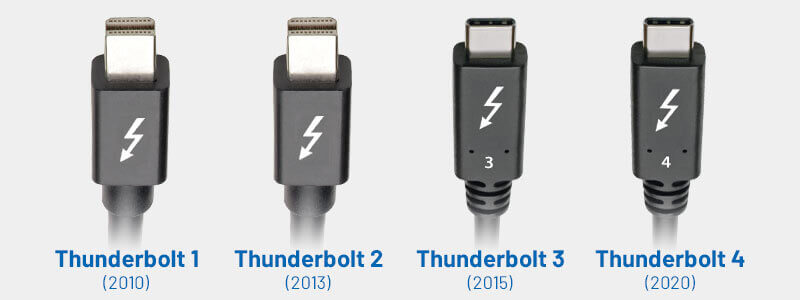
Thunderbolt is a powerful connection technology that enables high-speed data transfer and supports various peripherals through a single port. Introduced by Intel, Thunderbolt combines PCI Express and DisplayPort technologies, allowing users to connect multiple devices like external storage, displays, and docks all while delivering power and requiring minimal cabling. This versatility makes Thunderbolt an attractive option for professionals who rely on fast data transfer speeds, often reaching up to 40 Gbps with Thunderbolt 3 and 4, making it ideal for tasks such as video editing and large file transfers.
When comparing Thunderbolt to other connection types, such as USB and HDMI, it is essential to note the distinct differences in speed and capabilities. While USB is widely used and comes in various versions (from USB 2.0 to USB 4.0), which offer speeds ranging from 480 Mbps to 40 Gbps, they typically lack the same level of support for daisy-chaining multiple devices. On the other hand, HDMI is primarily designed for video and audio output, with capabilities up to 48 Gbps in HDMI 2.1, but does not offer the same data transfer capabilities as Thunderbolt. Ultimately, the choice of connection type depends on the specific needs and devices being utilized.
Counter-Strike is a highly popular team-based first-person shooter game that pits terrorists against counter-terrorists in various objective-based scenarios. Players can choose from a variety of weapons and strategies to outsmart their opponents. For those who use a Mac and want to enhance their gaming experience, check out the Top 10 macbook docks to find the best peripherals to improve gameplay.
5 Reasons Thunderbolt is the Ultimate Connection for Creatives
For creatives seeking unparalleled performance, Thunderbolt stands out as the ultimate connection. First and foremost, it offers incredibly high data transfer speeds of up to 40 Gbps, which is essential for managing large files such as high-resolution images and 4K video. This speed not only enhances workflow efficiency but also allows seamless multitasking, enabling creators to edit, stream, and transfer files simultaneously without lag. Furthermore, Thunderbolt supports daisy-chaining up to six devices through a single port, minimizing cable clutter and maximizing workspace organization. As a result, this versatility makes it an indispensable tool for photographers, videographers, and designers alike.
Moreover, Thunderbolt features a wide range of compatibility with various devices, including monitors, external hard drives, and audio interfaces. This means that creatives can easily integrate Thunderbolt into their existing setups without worrying about compatibility issues. Additionally, its capability to deliver power through the same connection allows users to charge their devices while using them, streamlining the creative process. In a world where time is of the essence, Thunderbolt proves to be a game-changer, offering not just speed and flexibility, but also reliability—a critical factor for professionals who refuse to compromise on their tools.
Is Thunderbolt Right for Your Setup? A Comprehensive Guide
If you're considering upgrading your tech setup, Thunderbolt might be a term that you've come across frequently. This versatile connectivity standard offers multiple functionalities, from high-speed data transfer to video output, making it a popular choice for professionals and enthusiasts alike. Before diving into a purchase, it's essential to evaluate your specific needs. For instance, if you're a content creator needing to transfer large files quickly, or if you work with multiple monitors for a streamlined workflow, Thunderbolt can be invaluable. However, if your tasks are relatively basic, such as browsing the web or watching videos, you might find that USB or HDMI options suffice for your requirements.
One key aspect to consider is compatibility. Not all devices support Thunderbolt, so it's crucial to check if your current hardware can accommodate this technology. Keep in mind that while Thunderbolt ports are backward compatible with USB-C devices, not all USB-C ports support Thunderbolt 3 or 4 standards. To help make your decision easier, here's a quick list of questions to ask yourself when determining if Thunderbolt is right for your setup:
- What types of devices do I plan to connect?
- Do I need high-speed data transfer capabilities?
- Will I be utilizing multiple displays?
- Is my current hardware Thunderbolt-compatible?
By answering these questions, you can make a more informed decision about whether investing in Thunderbolt technology will enhance your productivity and overall experience.