Understanding Data Transfer: The Basics You Need to Know
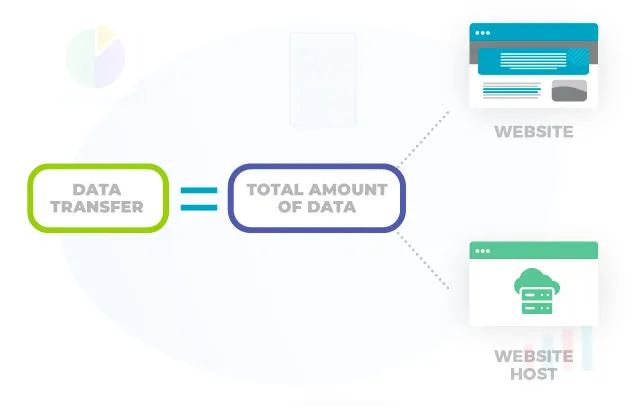
Data transfer is a crucial aspect of modern communication, involving the movement of data from one location to another through various channels. At its core, understanding data transfer begins with grasping the types of data being transferred, which can range from simple text files to complex multimedia content. The process can occur over different mediums, such as wired networks, wireless connections, or even cloud services. It is essential to recognize the significance of bandwidth, which refers to the maximum rate at which data can be transmitted, as it directly affects the speed and efficiency of your data transfers.
Furthermore, the method of data transfer plays a pivotal role in ensuring that information reaches its intended destination securely and promptly. Common methods include file transfer protocol (FTP), HTTP, and Peer-to-Peer (P2P). Each of these methods has its own advantages and challenges, particularly in terms of speed, reliability, and security. For instance, FTP is often used for transferring large files, while HTTP is the backbone of data transfer for web pages. Understanding these methods and their use cases can significantly enhance how you manage and utilize data in your online practices.
Counter-Strike is a highly competitive first-person shooter game that has captivated gamers since its release. Players choose to play as terrorists or counter-terrorists, engaging in tactical scenarios that require teamwork and strategic thinking. For gamers looking to enhance their setup, exploring the Top 10 USB-C accessories can provide essential tools for a better gaming experience.
Common Data Transfer Protocols Explained: Which One is Right for You?
When it comes to transferring data across networks, there are several data transfer protocols each designed for specific use cases. The most widely used protocols include HTTP(S) for web traffic, FTP (File Transfer Protocol) for file transfers, and SFTP (SSH File Transfer Protocol) for secure file transfers. Choosing the right protocol can depend on factors such as security requirements, file size, speed, and the nature of the data being transferred. For instance, if you're transferring sensitive information, SFTP would be a better choice due to its encrypted file transfer capabilities compared to standard FTP.
Moreover, there are protocols like SMTP (Simple Mail Transfer Protocol) for email transmission and RESTful APIs for inter-service communications which are vital for modern web applications. To help you determine which data transfer protocol is right for you, consider the following key aspects:
- Security: Always prioritize secure options for sensitive data.
- Speed: Some protocols are optimized for faster transfers.
- Compatibility: Ensure the protocol works well with your existing systems and applications.
How to Securely Transfer Data: Best Practices for Protection
Transferring data securely is critical in today's digital landscape, where data breaches can have devastating consequences. To ensure the safety of your sensitive information, start by utilizing encryption methods. This process converts your data into a coded format, rendering it unreadable to unauthorized users. Additionally, adopt secure transfer protocols such as HTTPS or SFTP, which provide a secure channel for data transmission over networks. Always validate the destination to prevent man-in-the-middle attacks—this can be achieved by verifying SSL certificates or using digital signatures.
Another essential aspect of secure data transfer is implementing strong authentication measures. This can include using complex passwords, multi-factor authentication (MFA), and regularly updating access controls to limit who can transfer data. It's also advisable to maintain a log of all data transfers, as this provides an audit trail in case of any suspicious activity. Lastly, ensure that all devices used for transferring data have up-to-date security software to defend against malware and other vulnerabilities. Following these best practices can significantly enhance your data protection strategy.