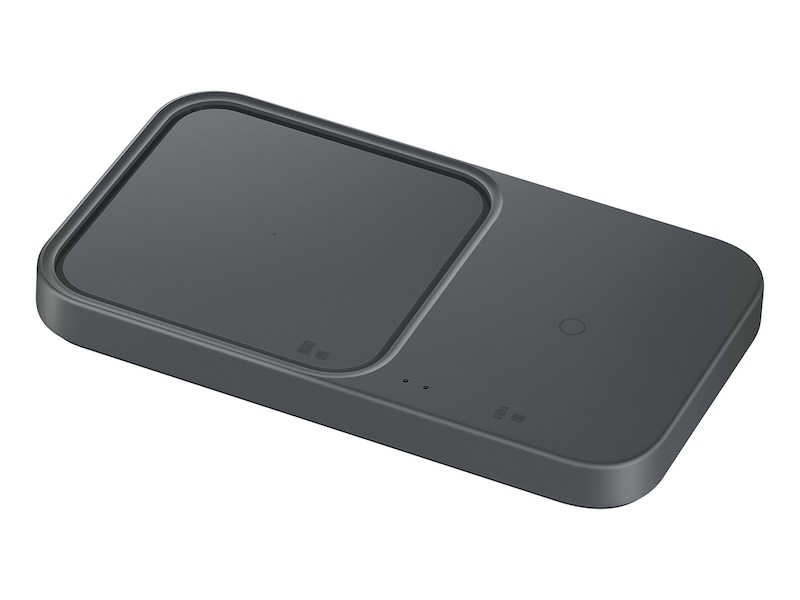
The Future of Convenience: How Wireless Charging is Changing Our Lives
The future of convenience is rapidly evolving, and one of the most transformative innovations in this space is wireless charging. As our reliance on electronic devices increases, so does the demand for seamless power solutions. With wireless charging, users can easily replenish their devices without fumbling with cords and connectors. This technology not only enhances user experience but also encourages increased device usage, as people are no longer restricted by the need for outlets or tangled cables. As we step into a world where charging stations are integrated into everyday environments, such as cafes, airports, and even public transport, the idea of being tethered to a power source will soon become obsolete.
Moreover, the potential impact of wireless charging extends beyond mere convenience; it fosters a shift towards smarter, more sustainable energy consumption. By eliminating the physical wear and tear associated with traditional charging methods, wireless charging can prolong the lifespan of our devices. Additionally, as wireless charging technology continues to advance, we may see its integration into various applications, including electric vehicles and smart home systems. This shift not only promises to enhance our daily lives but also paves the way for greater energy efficiency, ultimately altering the way we interact with technology in profound ways.
Counter-Strike is a popular first-person shooter video game franchise that emphasizes teamwork and tactical gameplay. Players can engage in various game modes, including bomb defusal and hostage rescue, creating a competitive environment. For those looking to enhance their gaming experience, it’s essential to have reliable charging solutions for your devices. Check out the Top 10 Nightstand Chargers for Apple Watch to keep your gadgets powered up during intense gaming sessions!
Wireless Charging Explained: What You Need to Know
Wireless charging is a convenient and innovative technology that enables you to power up your devices without the hassle of tangled cords. Utilizing induction charging, this method converts electrical energy into magnetic energy, allowing it to be transferred between the charger and the device. The most common form of wireless charging follows the Qi standard, which is supported by a variety of smartphones, smartwatches, and other gadgets. As this technology continues to evolve, it is designed to be faster and more efficient, making it an appealing choice for tech-savvy consumers.
When considering wiresless charging, it’s essential to understand its benefits and limitations. Among the primary advantages are the ease of use and reduced wear on charging ports. However, it is important to note that wireless charging may not be as fast as traditional wired charging methods. Additionally, the alignment between the device and the charger can affect efficiency. To make the most of this technology, be sure to invest in high-quality chargers, and keep your devices updated with the latest firmware to ensure compatibility and optimal performance.
Is Wireless Charging Safe? Debunking Common Myths
Wireless charging has become increasingly popular, but many people still question its safety. One common myth is that wireless charging can lead to overheating and damage to devices. In reality, most modern wireless chargers are equipped with safety features like over-temperature protection and foreign object detection, ensuring that your device receives optimal charging without the risk of excess heat. Is wireless charging safe? Yes, when using reputable and certified chargers, users can enjoy convenience without compromising device integrity.
Another widespread misconception is that wireless charging can cause harm to human health. However, extensive research by organizations such as the World Health Organization and the Institute of Electrical and Electronics Engineers has shown that the electromagnetic fields produced by wireless chargers are well below the safety limits set for human exposure. Moreover, the levels of radiation emitted during the charging process are similar to those produced by everyday devices like cell phones and Wi-Fi routers. Thus, wireless charging is safe for regular use, eliminating concerns regarding potential health risks.