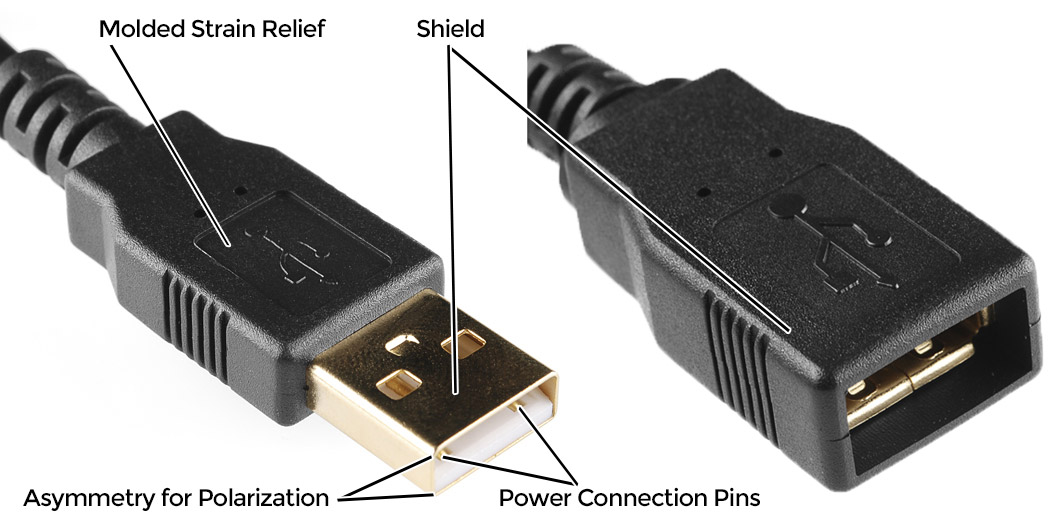
How USB Ports Revolutionized Technology: A Deep Dive
The introduction of USB ports has truly revolutionized the way we connect and interact with technology. Before their widespread adoption, various devices required a plethora of unique connectors, making the process of linking devices cumbersome and often frustrating. The Universal Serial Bus (USB) standard, introduced in the mid-1990s, streamlined this process by providing a single solution for multiple devices, from printers to keyboards, and even external storage. This simplicity not only enhanced user experience but also fostered innovation in device design, allowing manufacturers to focus on functionality and aesthetics rather than compatibility.
As technology further evolved, so did the USB port. The introduction of faster standards, such as USB 3.0 and the versatile USB-C, has paved the way for greater data transfer speeds and improved power delivery. With the ability to connect an array of devices, including smartphones, laptops, and peripherals, USB ports have become essential in our everyday lives. This omnipresence signifies a shift towards more integrated and user-friendly technology ecosystems, showcasing the profound impact of USB ports on modern innovations and our digital interactions.
Counter-Strike is a highly popular first-person shooter game that emphasizes teamwork, strategy, and skill. Players join either the terrorist or counter-terrorist side, competing in various objective-based scenarios. For those looking to enhance their gaming setup, it's important to have reliable gear, just as you'll want to ensure you have the best accessories for your devices, such as the Top 10 iPhone charging cables.
Understanding USB Standards: What You Need to Know
In today's digital age, understanding USB standards is crucial for anyone utilizing electronic devices. The Universal Serial Bus (USB) has evolved significantly since its inception, with each new standard introducing enhancements in speed, power delivery, and connectivity options. For example, USB 2.0, released in 2000, enabled data transfer speeds of up to 480 Mbps, while USB 3.0, launching in 2008, dramatically increased that capability to 5 Gbps. With the recent introduction of USB 3.2 and USB4, the potential data transfer speeds have soared up to 40 Gbps. This evolution not only improves user experience but also increases compatibility with a wide range of devices.
Understanding these standards involves recognizing their various types and specifications. The USB Type-A and Type-B connectors are the most recognizable, but they are not the only types available. Today, users often encounter USB Type-C, which offers a reversible design and a multitude of features such as power delivery and support for video output. Moreover, many maintain a keen interest in USB standards due to their implications for charging speed and efficiency. To maximize device performance and maintain compatibility, it is essential to stay informed about the latest developments and specifications in USB technology.
Common USB Issues and How to Troubleshoot Them
USB (Universal Serial Bus) connections are essential for a multitude of devices, providing both power and data transfer capabilities. However, users often encounter common USB issues that can disrupt their experience. Some typical problems include a device not being recognized, slow data transfer rates, and physical damage to the USB ports. To troubleshoot these issues, start by checking the USB cable for any signs of wear and tear. If the cable appears fine, try connecting the device to a different USB port or even a different computer to determine if the problem lies with the device or the original port.
If you've ruled out hardware problems, consider addressing potential software issues. Ensure that your operating system and drivers are up to date, as outdated drivers can cause devices to function improperly. You can also troubleshoot by using the Device Manager on Windows to uninstall and then reinstall the USB drivers. In some cases, running a system scan for missing or corrupt files can resolve underlying issues. By following these steps, you can effectively tackle most common USB issues and restore your devices to optimal performance.