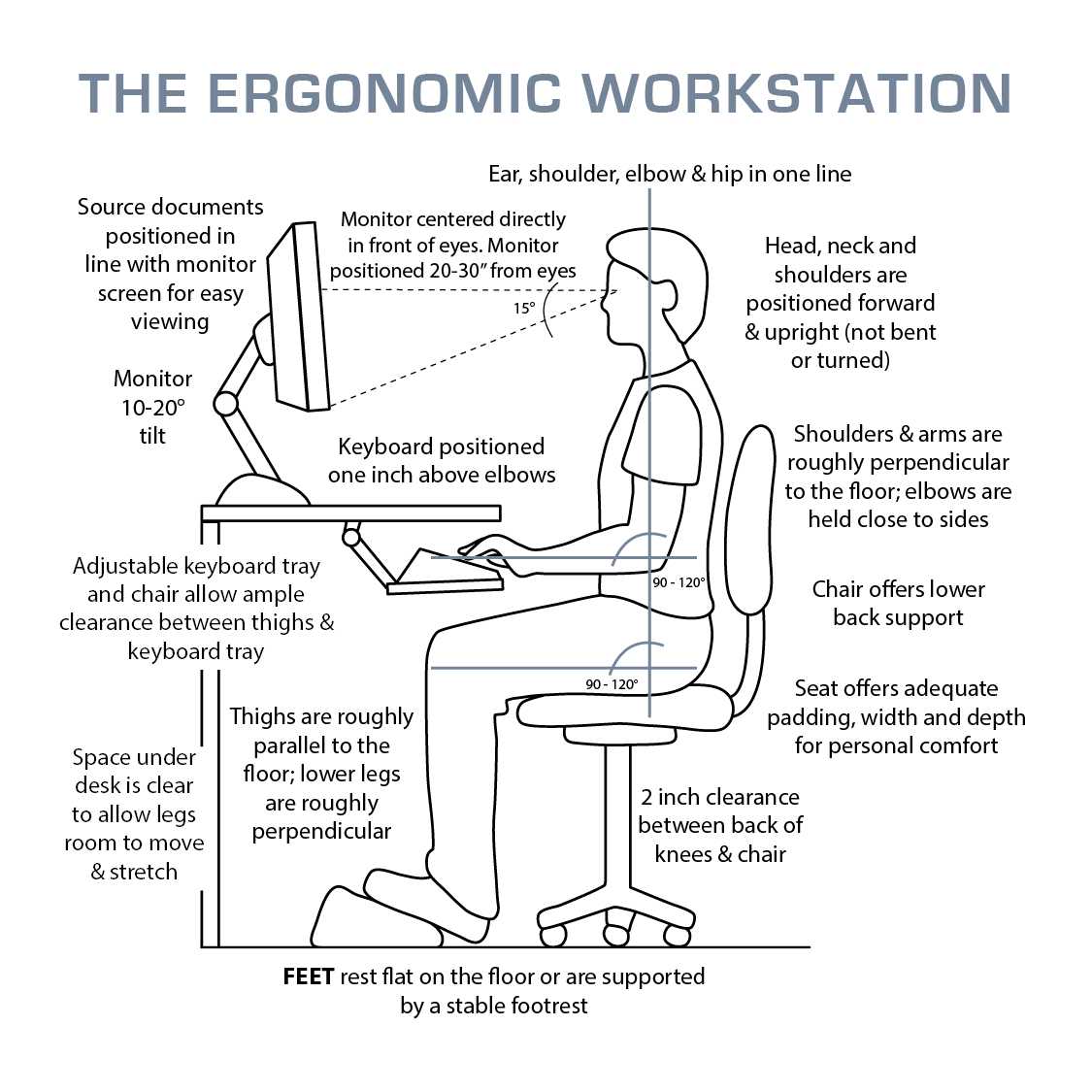
Understanding Ergonomics: How to Optimize Your Workspace for Comfort
Understanding ergonomics is fundamental to creating a workspace that promotes comfort and productivity. Ergonomics is the science of designing a workspace around the needs and limitations of the user. By implementing ergonomic principles, you can reduce the risk of strain and injury caused by poor posture and repetitive tasks. Start by ensuring that your chair supports your lower back and that your feet are flat on the ground. Your desk should be at a height where your elbows can remain at a 90-degree angle while typing. Additionally, consider the placement of your monitor; it should be at eye level, about an arm's length away, to minimize neck strain.
To further enhance your workspace, incorporate the following ergonomic tips:
- Use a keyboard and mouse that promote natural wrist positioning
- Take regular breaks to stretch and walk around
- Adjust lighting to reduce glare on your screen
- Organize your desk so that frequently used items are within easy reach
Counter-Strike is a highly popular multiplayer first-person shooter game that pits teams of terrorists against counter-terrorists in various objectives. It has become a staple in competitive gaming, with numerous tournaments and a dedicated player base. For gamers looking to enhance their setup, check out the Top 10 Desk Accessories for Productivity to improve your gaming experience further.
Top 5 Ergonomic Tips for a Healthier Work Life
In today's fast-paced work environment, maintaining proper ergonomics is essential for ensuring a healthier work life. Here are the top 5 ergonomic tips to enhance your comfort and productivity:
- Maintain Proper Posture: Sit with your back straight and shoulders relaxed but not slumped. Ensure your feet are flat on the floor and your knees are at a 90-degree angle to support your lower back.
- Invest in an Ergonomic Chair: A chair that supports the natural curve of your spine can greatly reduce the risk of discomfort and injury.
- Position Your Monitor Correctly: Your monitor should be at eye level and arm's length away. This helps reduce eye strain and neck tension.
- Take Regular Breaks: Stand up, stretch, and walk around every hour to promote blood circulation and prevent stiffness.
- Use a Keyboard and Mouse that Promote Good Posture: Choose input devices that are comfortable and support your wrists to avoid repetitive strain injuries.
Is Your Office Set Up for Success? Assessing Your Ergonomic Needs
When it comes to workplace productivity, an often-overlooked factor is ergonomics. An office that is properly set up for success can significantly enhance comfort and efficiency. Consider assessing your workspace by answering key questions: Are your chair and desk at the right height? Do you have adequate lighting? Is your computer monitor positioned at eye level to prevent strain? Conducting an ergonomic assessment can help identify areas that require adjustments. A well-organized desk with essential tools within reach not only promotes a more streamlined workflow but also reduces physical discomfort.
Investing in ergonomic furniture and accessories can yield impressive long-term benefits for your health and productivity. Here are some solutions to incorporate:
- Adjustable chairs that support your back.
- Height-adjustable desks that allow you to alternate between sitting and standing.
- Monitor stands to keep your screen at eye level.
- Wrist supports for keyboard and mouse use.