The Future of Charging: How Power Delivery is Transforming Our Devices
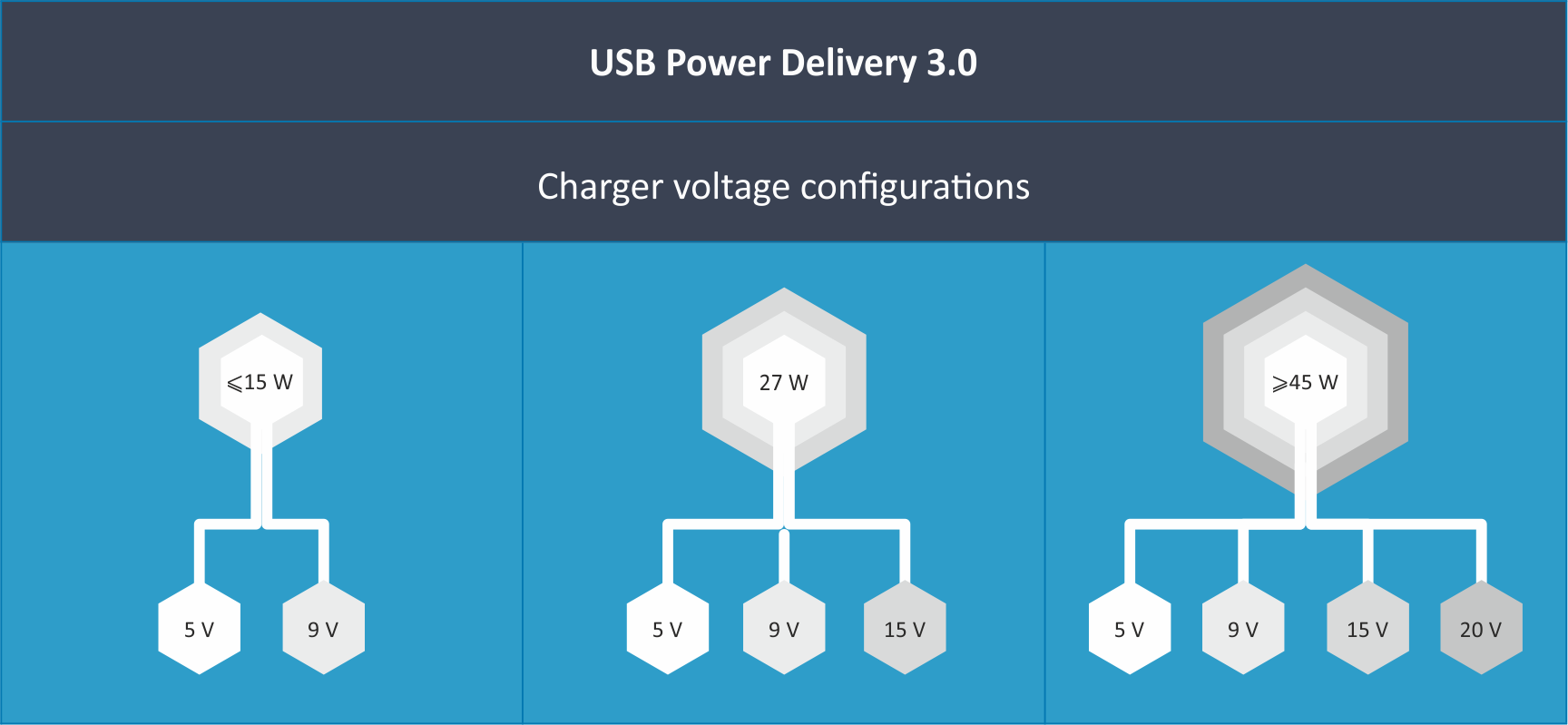
The rise of Power Delivery technology is revolutionizing the way we charge our devices, paving the way for faster, more efficient power distribution. With the ability to deliver up to 100W of power, USB Power Delivery is not just limited to smartphones; it is transforming a wide range of devices including laptops, tablets, and even some appliances. This technology allows for smarter communication between devices, meaning that charging speeds can be optimized based on the device’s needs. As a result, users can expect reduced charging times, with some devices able to go from zero to full charge in under an hour.
As we look to the future, the implications of Power Delivery could extend beyond mere convenience. Innovations in charging methods may lead to the development of new products and services, like wireless charging stations that can power multiple devices simultaneously or portable chargers that deliver ample energy on-the-go. Furthermore, with the integration of smart technology, devices could become more energy-efficient, automatically optimizing their charging schedules according to user habits. This shift could not only enhance user experience but also contribute to energy conservation efforts, creating a more sustainable tech ecosystem.
Counter-Strike is a popular first-person shooter game that has gained a massive following since its release. Players can join teams as either terrorists or counter-terrorists, engaging in strategic gameplay and tactical teamwork. For those looking to enhance their gaming experience, it's essential to have the right equipment, such as the Top 10 usb c hubs for macbook to ensure seamless connectivity.
Understanding Power Delivery: What You Need to Know About Modern Charging
Power Delivery (PD) has revolutionized the way we charge our devices, providing a standardized method for faster and more efficient charging. This technology allows for higher power levels, enabling devices such as smartphones, tablets, and laptops to get charged rapidly. With Power Delivery, users can enjoy adaptive charging capabilities, which means that the charger and device communicate to optimize the power output based on the device's requirements. This not only speeds up the charging process but also enhances battery life by preventing overheating and overcharging.
Understanding how Power Delivery works is essential for anyone looking to make the most of their charging setup. PD uses a USB-C connector, which is not only versatile but also capable of transferring data and power simultaneously. The key features of Power Delivery include:
- Increased Power Levels: Supports up to 100W, suitable for high-demand devices.
- Two-way Charging: Devices can either send or receive power, making it convenient for a variety of setups.
- Smart Charging: Devices communicate to regulate power flow.
By leveraging these features, users can enjoy a seamless charging experience.
Power Delivery vs. Traditional Charging: Which One is Right for You?
When it comes to powering up your devices, understanding the differences between Power Delivery and traditional charging methods is essential. Power Delivery (PD) is a universal charging standard that allows for faster and more efficient power transfer between devices, utilizing advanced technology to adjust the voltage and current based on the device's requirements. This means you can charge compatible devices like smartphones, tablets, and laptops significantly quicker than with traditional chargers, which typically rely on fixed voltages. If you frequently use multiple devices and are always on the go, Power Delivery might be the ideal solution for you, ensuring that your devices stay charged without the long wait times.
On the other hand, traditional charging methods have been around for years and remain reliable for many users. These methods generally use standard USB chargers that deliver a consistent voltage, which can be slower compared to Power Delivery. While they work well for basic charging needs, they might struggle to keep up with the demands of newer devices that support faster charging technologies. To determine which charging method is best for you, consider your device compatibility and usage habits. If you have a mix of older and newer devices, you may find that a dual charging setup—incorporating both Power Delivery and traditional chargers—offers the best of both worlds.